"A 98-kilometer energy pipeline is being laid to connect the strategic energy reserve facility in Ang Thong Bay, Ranong, to the strategic energy reserve facility at Laem Riw, Chumphon, the gateway controlling waters in the Gulf of Thailand."
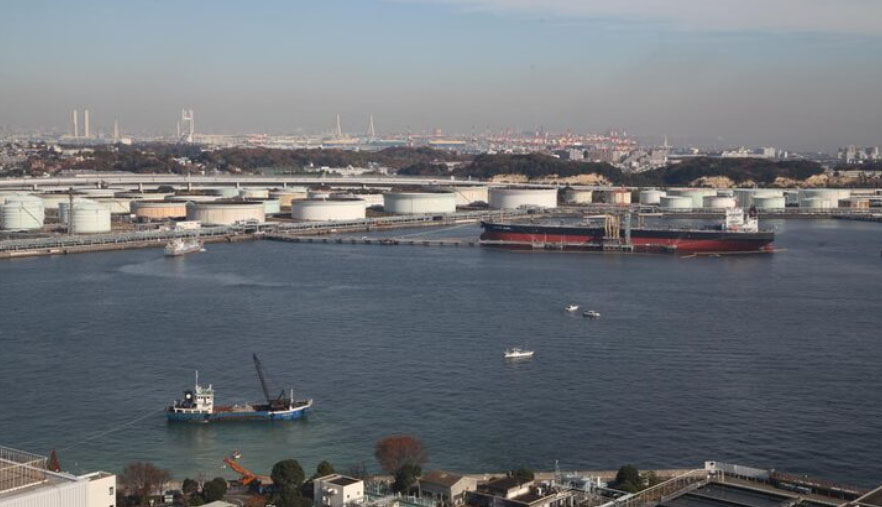
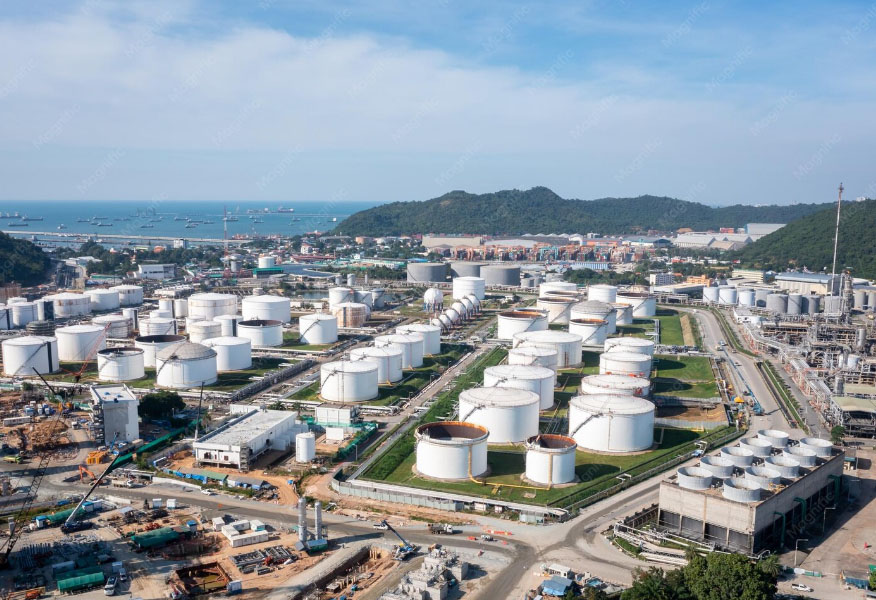
The clean energy tank farm on the eastern coast is situated on a peninsula extending into the sea (1,120 rai), controlling maritime logistics routes in the Gulf of Thailand.



Project Information
- Project Name : The Chumphon Twin Strategic Energy Reserve & 98-Km Cross-Isthmus Pipeline Project
- Client :
1. The Big Three: China, Japan, and South Korea
2. GCC National Oil Companies
3. Big Tech and Green Data Center Service Providers (Phase 2 Integration Load)
4. International Maritime Logistics Companies and Industries in the Landbridge Region - Background & Rationale :
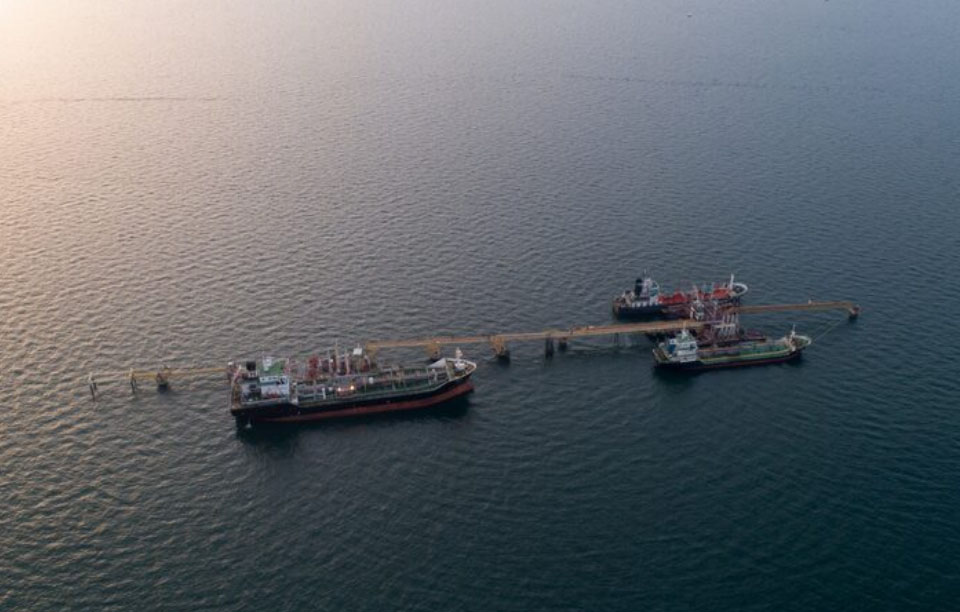
To elevate Thailand to a regional energy hub, the Phase 3 project extends capacity from the Andaman Sea (Ranong) to the Gulf of Thailand (Chumphon) by constructing a twin strategic energy reserve facility with complete energy types and a 98-kilometer pipeline. This logistics innovation enables major energy-consuming countries in Asia to access energy quickly, safely, and avoid geopolitical risks associated with maritime transit through currently vulnerable straits.
Objectives :
1. To construct a twin energy reserve storage facility on the Gulf of Thailand side (Chumphon), serving as a strategic hub for energy distribution to East Asia and Southeast Asia.2. To construct a 98-kilometer underground pipeline connecting the Andaman Sea (Ranong) and the Gulf of Thailand (Chumphon), enhancing cross-continent energy transportation speed.
3. To establish a multimodal energy distribution hub (Intermodal Energy Terminal) offering marine, road, and rail logistics options.
Key Targets :
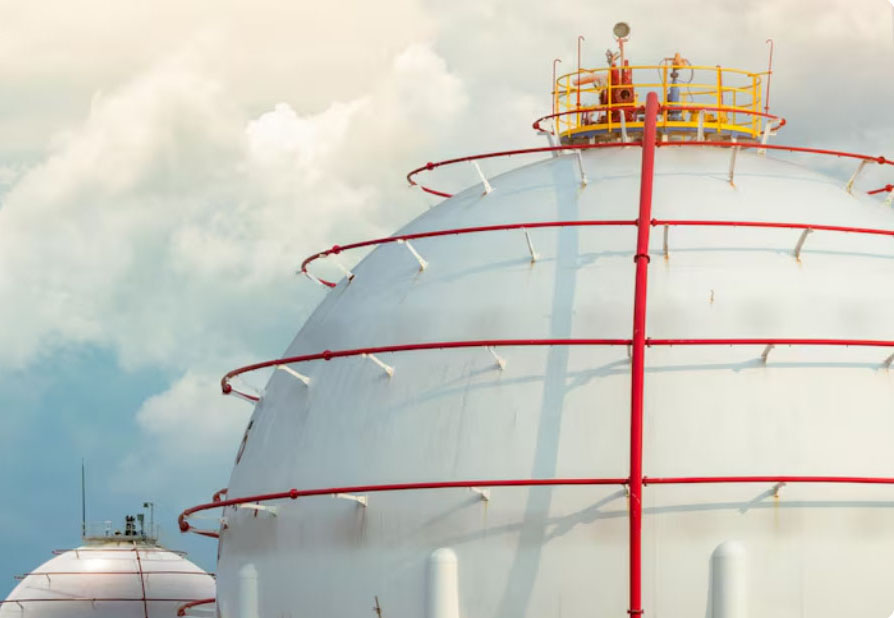
1. Construction of a twin energy storage facility in Chumphon : The design will be based entirely on the maximum capacity and energy types from the Ranong facility, encompassing a closed-system refined oil storage facility, liquefied natural gas (LNG) storage tanks, and liquid hydrogen (LH2) storage tanks.2. Construction of a 98-kilometer pipeline : Connect directly from the Ranong Tank Farm to the Chumphon Tank Farm, equipped with pressure boosting stations and an intelligent leak detection system along the entire route.
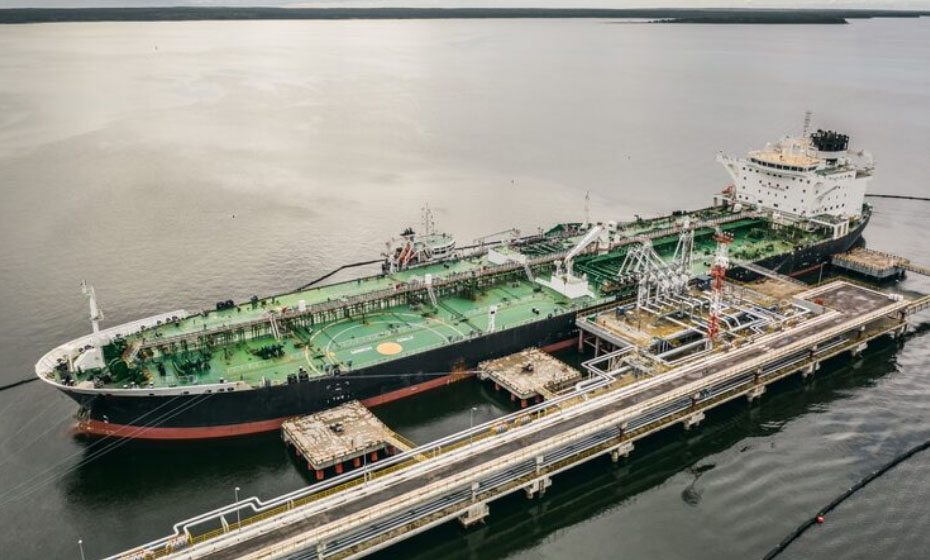
3. Establishment of an intermodal energy terminal : Construct a deep-water port on the Chumphon coast, a fueling station for large trucks, and a rail connection station to facilitate transportation into the interior regions and CLMV countries.
Key Requirements :
1. High Pressure Engineering and Safety Distance Standards : The 98-kilometer pipeline laying must undergo land expropriation (Right of Way) processes and implement the highest level of safety measures according to international standards.2. laws and regulations for transit rights and environmental impact assessments : Must obtain approval for the environmental impact assessment (EIA) for the pipeline route and the Gulf of Thailand storage facility, along with the necessary permits for energy transportation through pipelines across provincial boundaries from the Ministry of Energy and the Cabinet.
Location/Area :
- Location: Zone B, C (Laem Riw, Chumphon) *(1 Rai = 1,600 Square Meters)*
- Area: Strategically allocated land for the construction of twin warehouses and distribution centers, totaling 1,400 rai.
Budget :
- Total Budget (Turnkey/EPC) : 162,000 Million Baht(THB) (Reference in Thai Baht)
Timeline :
- Land reservation and EIA approval period for pipeline crossing provincial boundaries: 10-12 months (starting in advance concurrently with Phase 2)
- Construction period for Chumphon depot and 98 km pipeline laying: 36-40 months (counting from the 60 days after the Ranong depot has been operational and site opening)
Responsible Parties :
- Contract and Concession Supervisor : Golden Bridge International Holding (Thailand) Co., Ltd. (GBI Holding) as the concessionaire of the Two Oceans Pipeline System and the Ranong-Chumphon Twin Storage Terminal.
Expected Outcomes :
1. Becoming the first "Energy Landbridge" in Southeast Asia, attracting large-scale customers from China, Japan, South Korea, Taiwan, and ASEAN countries to form long-term energy purchase agreements.2. Generating massive revenue from "pipeline tariff fees" and storage rental fees in Chumphon will solidify GBI Holding's position as a leader in transoceanic energy.
3. Thailand's Gulf of Thailand coast enjoys maximum energy security and offers comprehensive options for transporting energy through road and rail transport systems throughout the 35-year concession period.